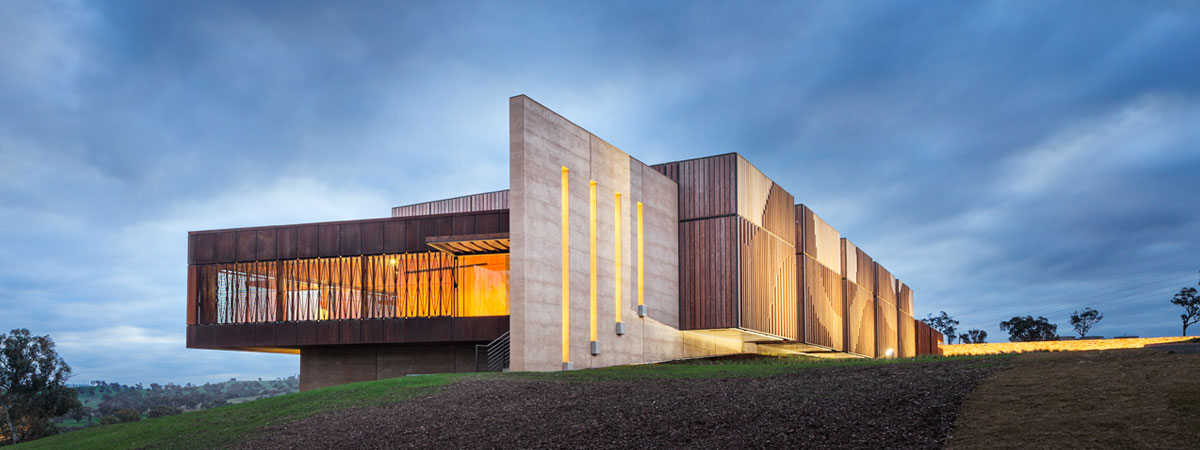
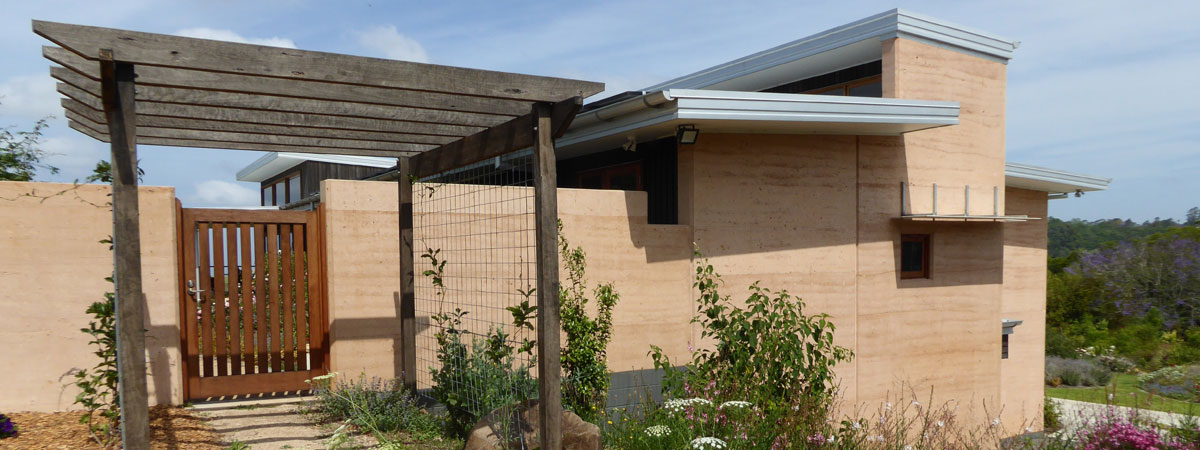
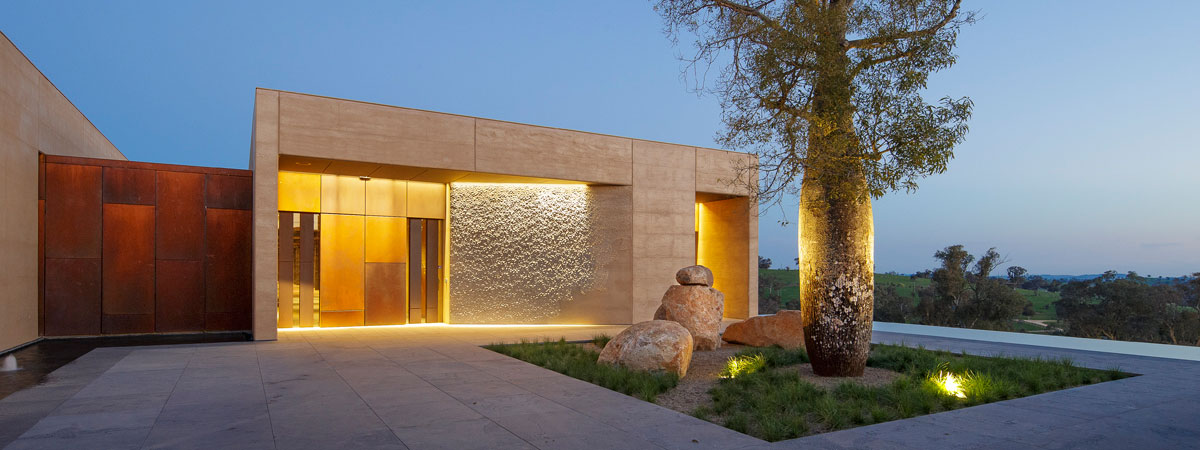
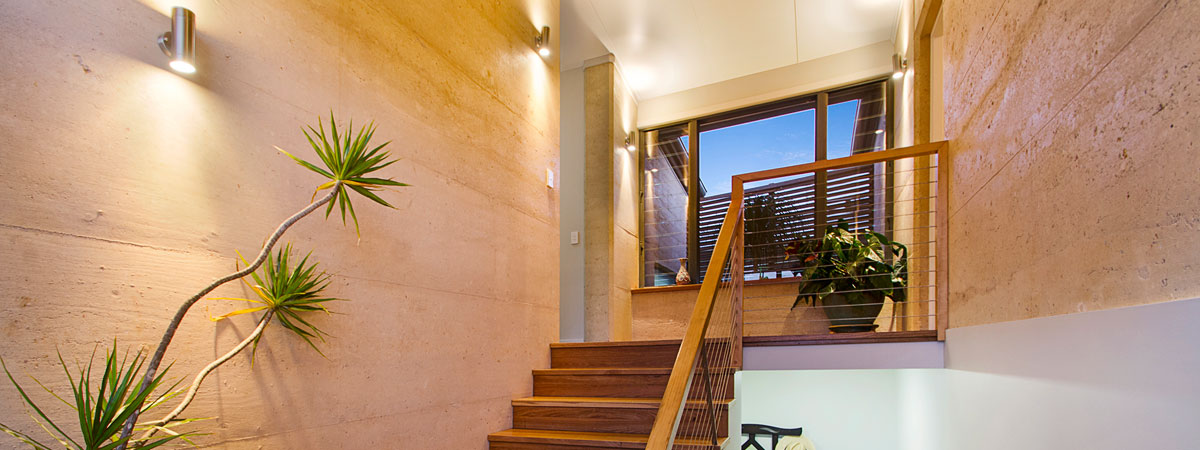
Can I see some work?

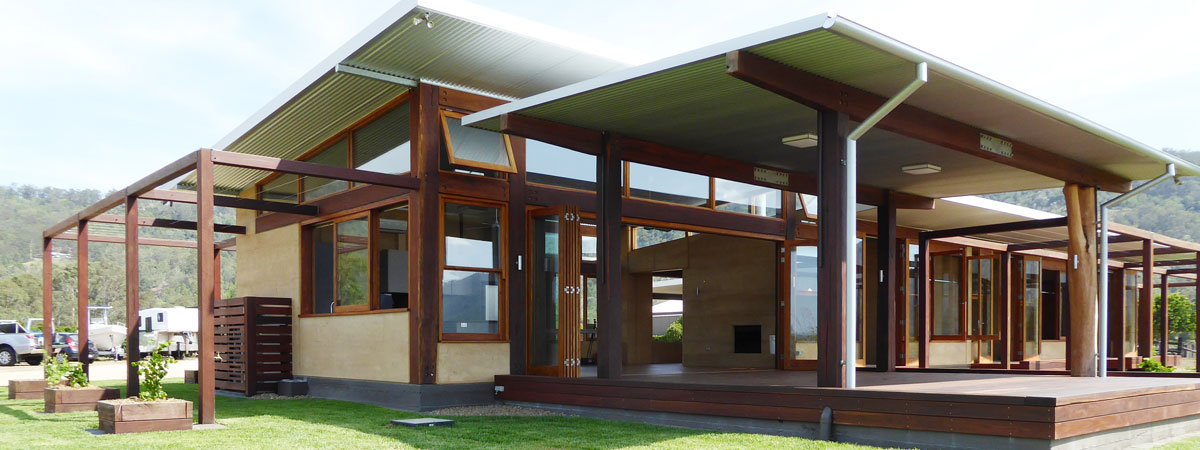
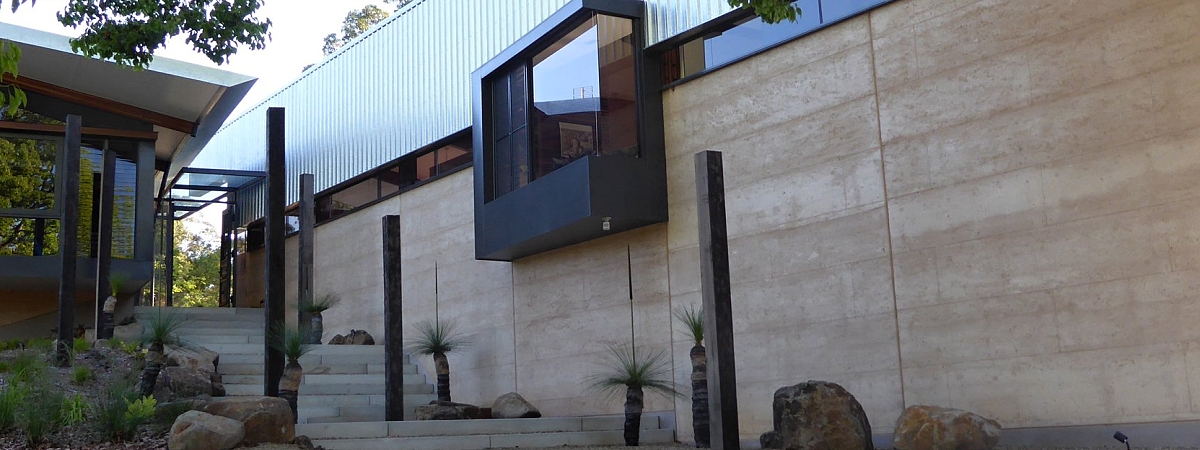
Our office is housed in a rammed earth building, so our clients see and feel the rammed earth when visiting us. Depending on scheduling and accessibility, we may be able to take you to a building under construction. While many of our customers have indicated their willingness to show new clients their finished homes, we prefer not to trespass on this generosity, and will only do so if there is a special feature of specific relevance which cannot be shown elsewhere. BACK TO TOP

How does it cope with rain/storms?


Rammed earth is extremely durable. There are numerous examples of rammed earth buildings and structures which are hundreds of years old — for example, much of the Great Wall of China is made using an earlier method of rammed earth construction. Modern methods have improved the finished product enormously from those days. Today’s rammed earth has the benefit of modern soil technology and testing methods, and a better understanding of the chemistry involved. Other advances in the technology include the addition of a small percentage of cement, better structural design methods, the inclusion of damp courses and concrete footings, mechanical compaction of the walls, regulatory controls by building authorities and the use of water based silicon water repellents.

We expect our improved rammed earth walls to last for many hundreds of years. In addition to the above improvements, in particularly exposed positions (such as garden walls) it is possible to add a water repellent admix to the soil mixture. This waterproofs the walls right through, not just on the surface of the wall. This product also increases the strength of the walls by up to 25%.

Rammed earth homes are simply wonderful to be in during storms – unlike lighter-framed homes the walls don’t move or creak in strong winds, and the sounds of thunder, wind and rain are muted. A rammed earth building feels as strong as rock.

BACK TO TOP


How much does it cost?

As a rule of thumb, you can expect a rammed earth wall to cost you approximately the same as a masonry wall. Issues which will affect the cost include: how far the soil must be transported; how much wall area is required (economies of scale apply); how complicated the design is; how high the walls are. We can quote on the cost of the walls at an early stage of design so that you can compare the cost with other methods suitable for your house. BACK TO TOP

Is it load bearing?


300mm rammed earth walls as constructed by Rammed Earth Constructions are load bearing. Engineers accept rammed earth as load bearing, so you are unlikely to need other structural framing for your home. Rammed earth also provides substantial bracing to buildings — usually well in excess of the minimum requirement achieved by most homes. It provides a feeling of stability and security in even the worst weather conditions. BACK TO TOP


Can I have curved walls?


Yes, it just depends on the shape of the formwork. It may cost a little extra to have special formwork made up if it is different to our stock formwork. BACK TO TOP


Can I have circular windows in my building?

Yes, within some limitations we can achieve most features. We have incorporated circular windows, wall recesses, columns, sculptures, stones, crystals, reliefs and artworks into our walls. However, you need to be aware that — as a general rule of thumb — the simpler the wall is, the cheaper it will be to build. But it is best to discuss these sorts of features and additions with us — don’t just rule them out! BACK TO TOP

What about termites?

Rammed earth is an excellent material to use in termite areas, being most unappetising and impenetrable to termites. We have never seen any attempt by termites to penetrate our rammed earth walls. However, it is not recognized as a termite barrier by Australian regulatory authorities, and other steps must be taken to meet the Building Code’s requirements. A very common method in rammed earth houses is simply to build on a concrete slab, as the concrete slab itself is an approved termite barrier as well as an excellent foundation for the rammed earth. It also means that you do not have to spray poisonous chemicals around your home. BACK TO TOP

How do you conceal electrical & plumbing services?


Electrical conduits are built into the walls during the construction process. Plumbing, if lagged, can also be included in this way. Building in these services requires a little extra planning at the design stage. BACK TO TOP


How do you finish the walls?


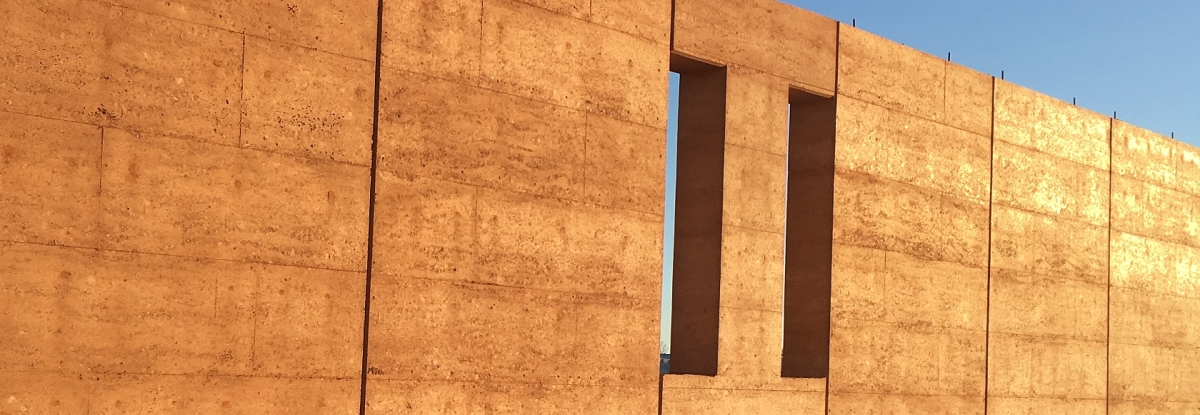
We either leave them smooth (an ‘off-the-form’ finish), or we wire-brush them to provide an overall textured wall. The wire-brush finish removes the formwork lines, exposes the soil texture and gives a softer finished look. The off-the-form finish gives a smoother surface and the formwork lines and textural changes are more evident. Depending on the wall’s exposure to adverse weather conditions we may waterproof it with a water based finish designed for earth walls. It is also possible to plaster, render, paint or otherwise treat the walls in the same way as other masonry products. Some customers have used lime wash in ochre colours very effectively. A waterproofing agent is applied to external walls and a dust sealer to internal walls. BACK TO TOP


Can you hang pictures/shelves on rammed earth walls?


Yes. You can treat the finished walls in the same way as you would treat other masonry walls, using slightly longer fixings. Nails can be driven directly into rammed earth by hand or with a nail gun. BACK TO TOP


Can I use the soil from my own land?


Sometimes this is possible, and we have done this in some instances. However, it is unusual to find a soil which is ideal. Even with quite good soils other elements such as aggregate usually need to be brought in to mix into the existing soil. Using soil from the site also creates more work, as it will need to be screened to remove large stones, organic matter or excessive clay lumps. We have found that it is better and cheaper to select the soil mix from a quarry, where the heavy machinery at the quarry site makes light work of screening. Careful selection of material also means that the finished result usually has a more attractive colour and consistent finish than would be possible than by using soil from the building site. We have developed and tested standard soil blends which can be delivered quickly. BACK TO TOP


What colours are available?

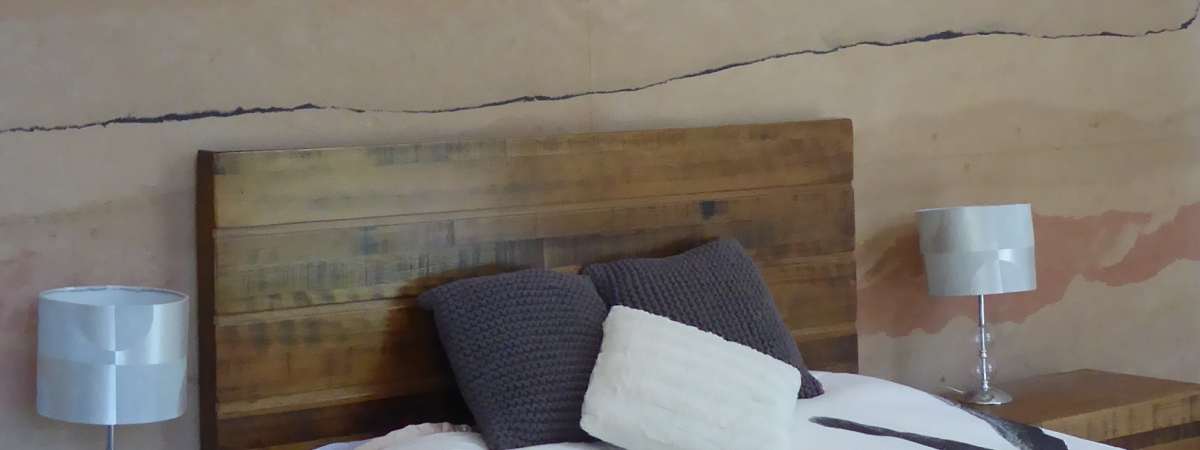
Rammed earth reflects the colour of the soil mix used, and this is determined to some extent by what is available locally. We don’t add coloured oxides to the mix. We have built homes in hues from a pale cream to sandy yellow, peach, light tan, grey, right through to a strong earthy red. We have also incorporated areas of different colours of earth to create different effects. For instance, in the EcoCentre at Crystal Waters we introduced a different colour in a wavy line alongside a water feature, to refer to the water movement. BACK TO TOP


What are the Building Regulations relating to Rammed Earth in Australia?

The Building Code of Australia used to refer to the CSIRO’s publication, Bulletin 5: Earth Wall Construction, in which design and testing criteria are outlined to ensure a good quality product is provided. At present this reference has been removed pending a new code being developed by the Earth Builders Association of Australia. The homes we build are always designed by accredited architects and engineers and certified by authorised Building Certifiers.. BACK TO TOP


rammed earth constructions